Insights from Hive Tax Book
Self-Employed Financial Intelligence
Practical tax knowledge, mortgage readiness, business operations, and financial planning for self-employed professionals.
Featured Insights
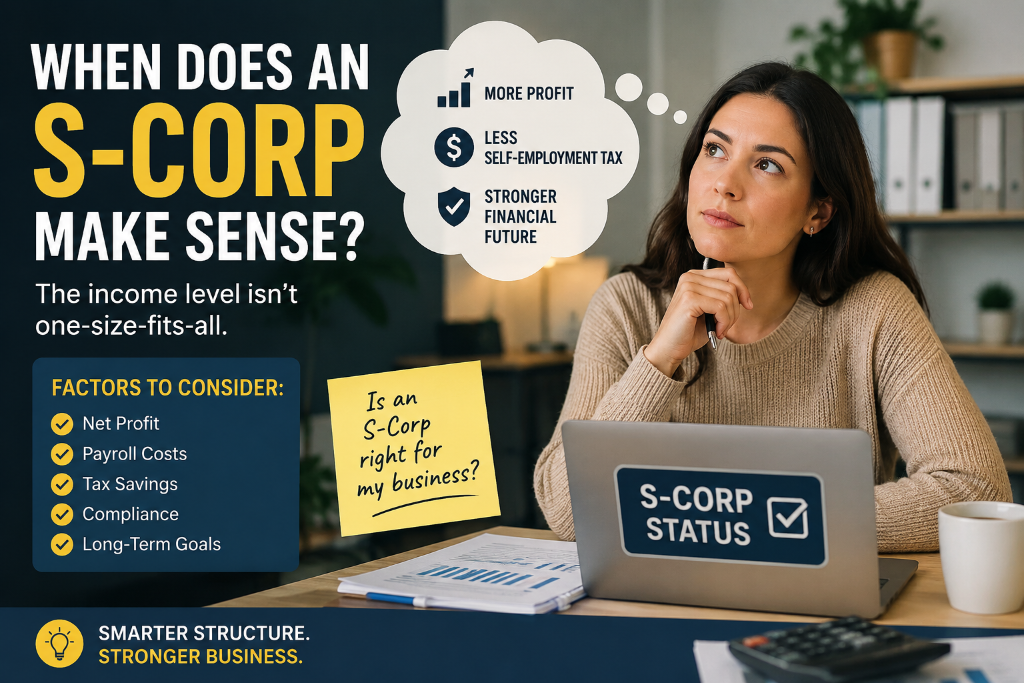
At What Income Level Does It Make Financial Sense for a Freelancer to Switch to an S-Corp?
Many freelancers wonder when an S-Corp actually starts saving money. The answer isn't based on revenue alone. Learn the income ranges, tax implications, payroll requirements, and strategic considerations that determine whether an S-Corp election makes financial sense.
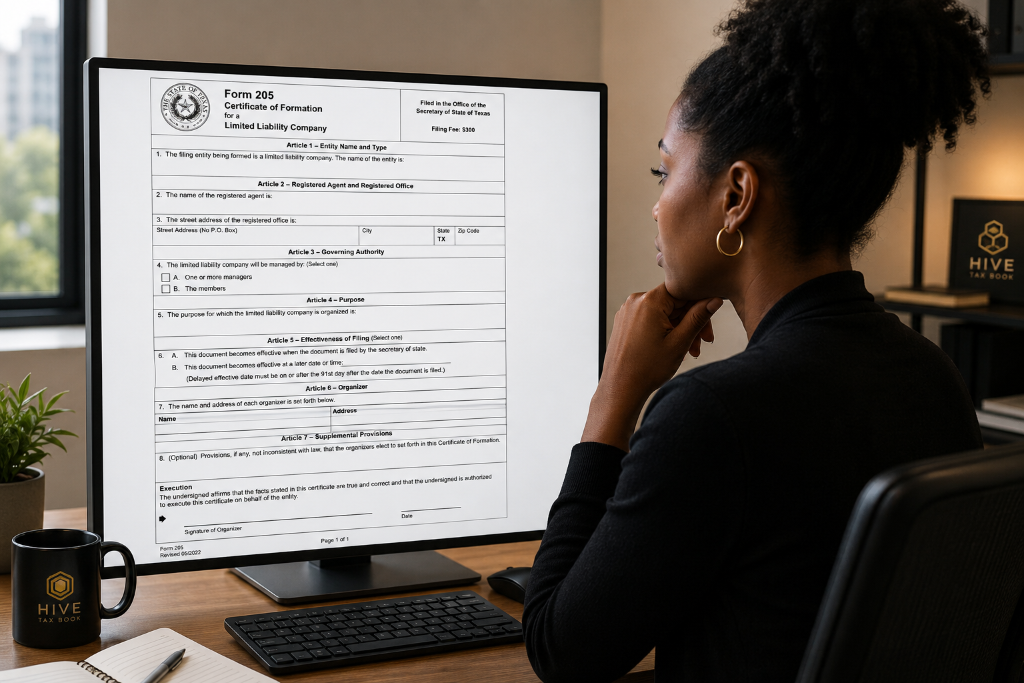
Why Every LLC Needs a Registered Agent (Especially If You Travel or Work Remotely)
A registered agent serves as your business's official point of contact for state correspondence. For entrepreneurs who travel, work remotely, or relocate overseas, a registered agent can be crucial for maintaining compliance.
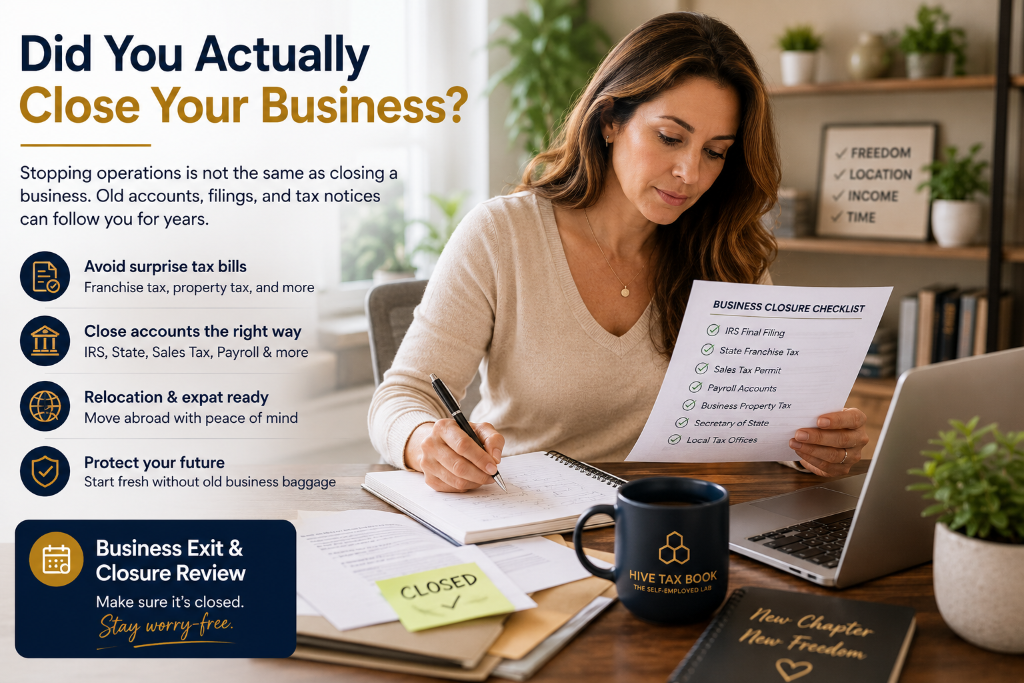
You Moved Abroad. Did You Actually Leave Your Tax Problems Behind?
Many business owners move overseas but forget to properly close tax accounts, LLCs, payroll accounts, and state registrations. Here is what you need to know before you go.
Mortgage Financing
How Many Years of Tax Returns Are Required to Buy a House?
If you're self-employed, chances are you've heard this before: 'You need two years of tax returns before you can buy a house.' Sometimes that's true. Sometimes it isn't.
Can I Buy a House Using Bank Statements Instead of Tax Returns?
Many business owners write off legitimate expenses and later discover their tax returns don't reflect their true cash flow. Bank statement loans were designed specifically for this situation.
What If My Business Shows a Loss?
My business shows a loss. Does that mean I can't buy a house? Not necessarily. But it does mean we need to look deeper.
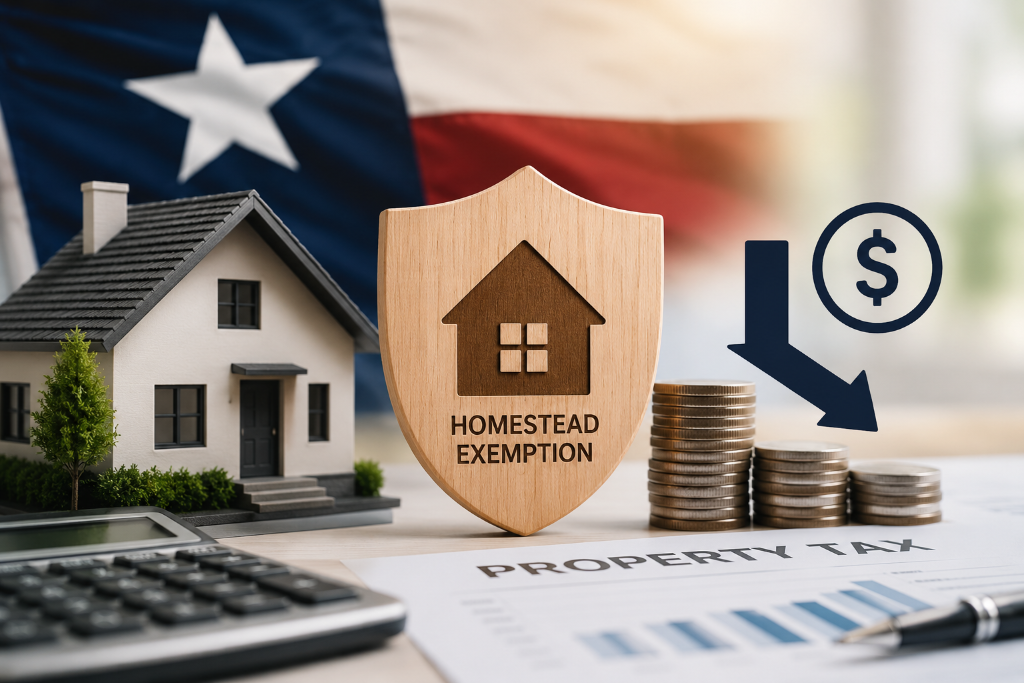
How the Texas Homestead Exemption Helps Offset Texas' High Property Taxes
Texas homeowners are no strangers to high property taxes. The Texas Homestead Exemption remains one of the most important protections available to primary residence homeowners.
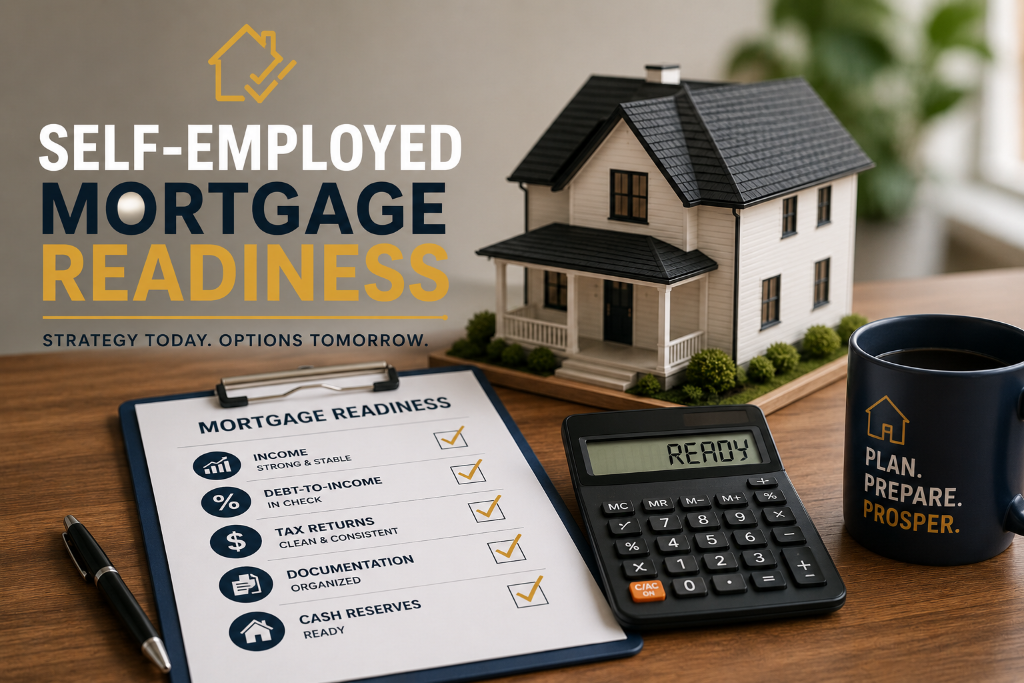
Texas Self-Employed Mortgage Readiness
Many self-employed Texans discover they cannot qualify for a mortgage despite making strong income. The issue is often not revenue — it is how income is reported.
Get Complete Financial Intelligence
Hive Tax Book gives members access to complete self-employed financial intelligence — tax strategy, mortgage readiness, business operations, and more.
Explore Membership